










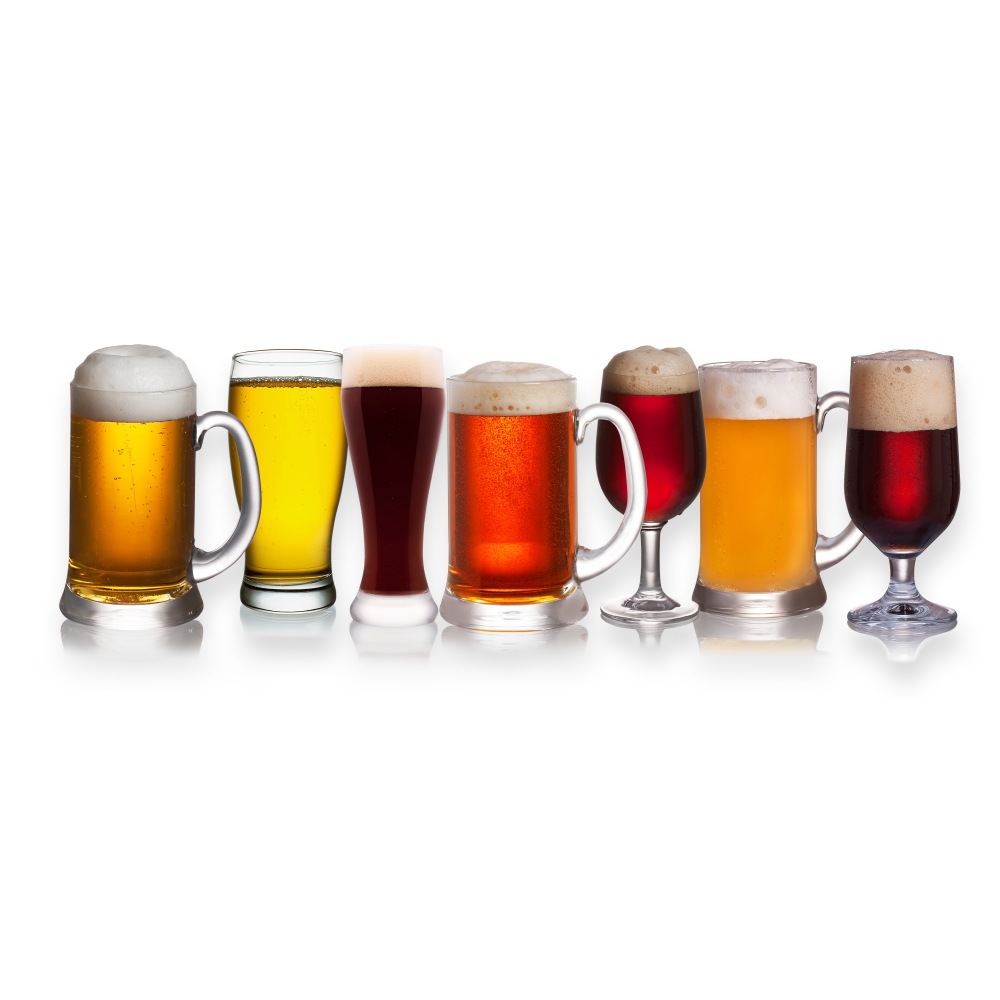
British drinkers have always loved a pint but the love affair with our national drink is evolving, as sales of stout, fruit beer and alcohol-free options help beer reach a record-breaking £14bn[1] in pub sales alone, according to research from HEINEKEN UK.
The beer, pub and cider company’s 2026 Beer Report shows beer as outperforming spirits, wine and soft drinks in bars, pubs and restaurants, with value sales up 5% year-on-year. Beer now accounts for 45%[2] of all drinks sold in hospitality.
One of the biggest success stories is stout, with sales rising by 19% to reach £2bn in value, with challenger brands such as Murphy’s Irish Stout seeing growth up 227% year on year[3].
Flavoured and fruit beers are also booming, up 34% as drinkers increasingly seek new tastes and experiences[4].
At the same time, Britain’s shift to becoming a moderation nation shows no sign of slowing. The report shows that no and low alcohol beer has grown by 31% and is now worth £271m[5], as more consumers look for ways to moderate alcohol consumption.
The report suggests consumers are increasingly focused on quality over quantity, indicating that people are drinking fewer pints per visit than before but spending more on premium products when they do.
More than half (55%) of beer drinkers say they are willing to pay extra for better quality beer, helping premium “world lagers” become the UK’s most valuable beer category, worth £4bn. For example, Birra Moretti is now the largest lager brand by value in the pub sector, worth £1bn on its own[6].
According to Will Rice, On-Trade Director at HEINEKEN UK, beer remains one of the great constants of British drinking-out culture, but the way people enjoy it is changing.
“Consumers are becoming more intentional about going out. They want quality, atmosphere and experiences that feel special and worth leaving home for," he said. “The opportunity is not simply to sell more beer, but to serve the right range of beers and create occasions people want to come back for.”
Download the Beer Report here.
[1] CGA by NIQ, OPM Data to P02 2026 (21/02/26)
[2] CGA by NIQ, OPM Data to P02 2026 (21/02/26)
[3] CGA by NIQ, OPM Data to P02 2026 (21/02/26)
[4] CGA by NIQ, OPM Data to P02 2026 (21/02/26)
[5] CGA by NIQ, OPM Data to P02 2026 (21/02/26)
[6] CGA by NIQ, OPM Data to P02 2026 (21/02/26)